.svg)


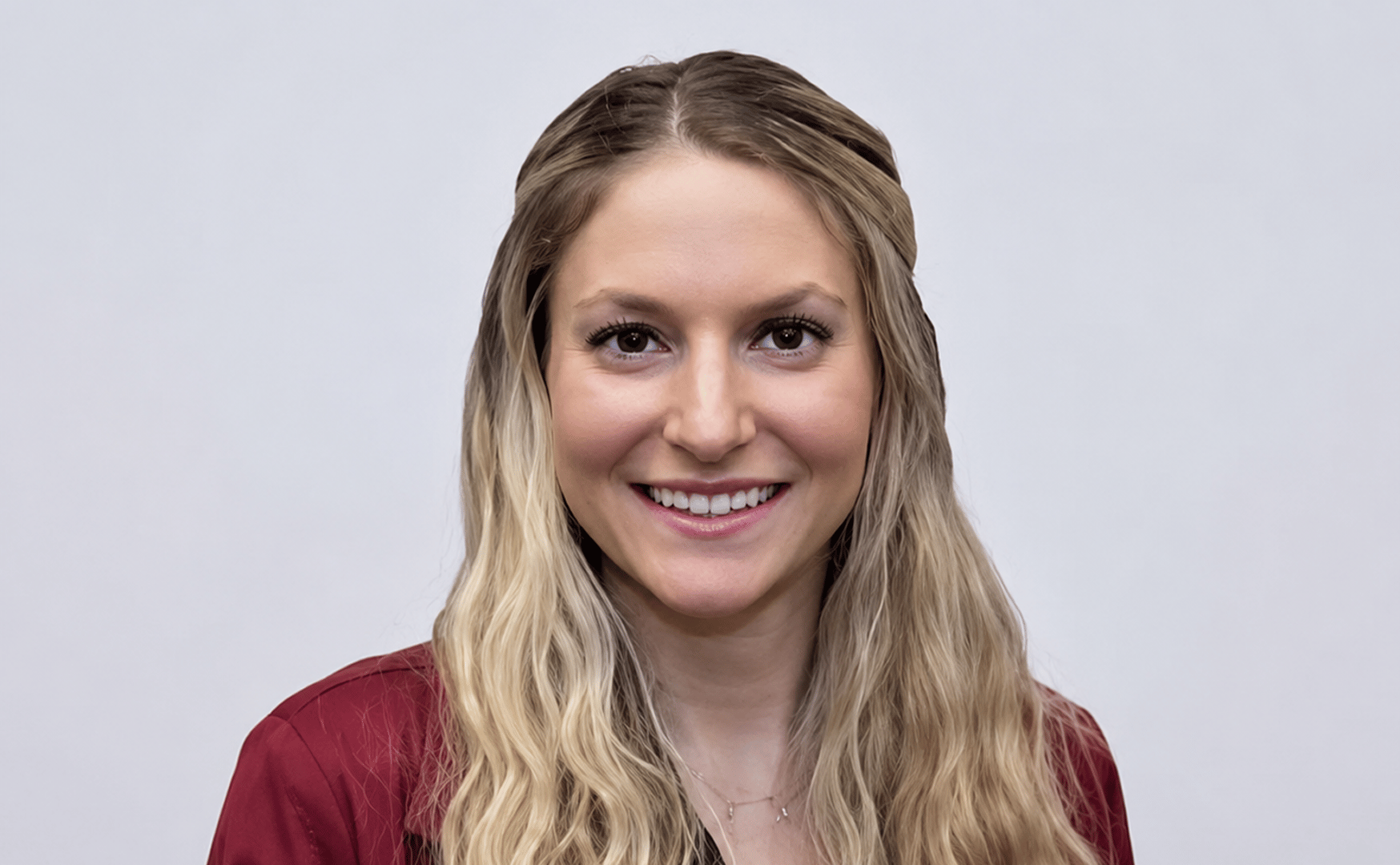

Alyson Luftig
Customer story
Intro
Hi, I'm Alyson Luftig, a legal advocate and writer from New York. I focus on mental health research and use surveys to anonymously collect data from the public - for studies including understanding mental health trends and experiences during challenging times like the pandemic. I needed a tool that could protect my respondents' privacy without compromising the quality of data I collect.
The challenge
Before BlockSurvey, I was using Typeform to run my surveys. Data collection in the mental health space is critical and highly sensitive - questions often touch on personally identifiable information, and even deeper topics that people would never discuss face to face. I needed end-to-end encryption, not just SSL. I noticed people were visiting my website but weren't completing the forms. I didn't know why, but I suspected privacy concerns were a real barrier. I also needed to ensure that the data I collected was encrypted and that my own anonymity as a researcher was protected. A 2018 security breach in Typeform's servers that exposed millions of customers' data only reinforced those concerns.
The solution
BlockSurvey gave me an end to end encrypted platform - meaning only I and not even BlockSurvey itself - could access my respondents' data. There are no trackers, no ads, no third-party scripts watching my respondents. That transparency is what makes people feel safe enough to answer honestly. I also had access to pre-built mental health assessment templates, so I could get surveys up and running in minutes rather than building surveys from scratch.
The results
After switching to BlockSurvey, my survey completion rate went from 13 out of every 100 visitors to 46 out of 100 . That's a more than 3X increase in participation, which directly translates into richer, more reliable data for my research. I no longer worry about security issues, and the platform is more affordable than what I was paying for Typeform. BlockSurvey gave me the confidence to focus entirely on my research and advocacy work.