.svg)


Join Leading Brands across 50+ countries
Using BlockSurvey to protect their respondents' privacy, increase their survey completion rates, get better community feedback, and build better organizations.

Replace guesswork with real buyer insight, using AI conversational surveys, end-to-end encrypted.
Trusted by leading brands for secure, privacy-first surveys







23%
23% response rate for B2B email surveys vs. 33% for conversational ones. BlockSurvey asks one focused question at a time, raising response rates.

BlockSurvey's AI adaptive questioning follows up differently on low vs. high CSAT scores, automatically, so you get the context behind the score.

B2B surveys collect sensitive data: competitive intel, budgets, vendor assessments. BlockSurvey's end-to-end encryption keeps it locked from submission to analysis, with no third-party access.
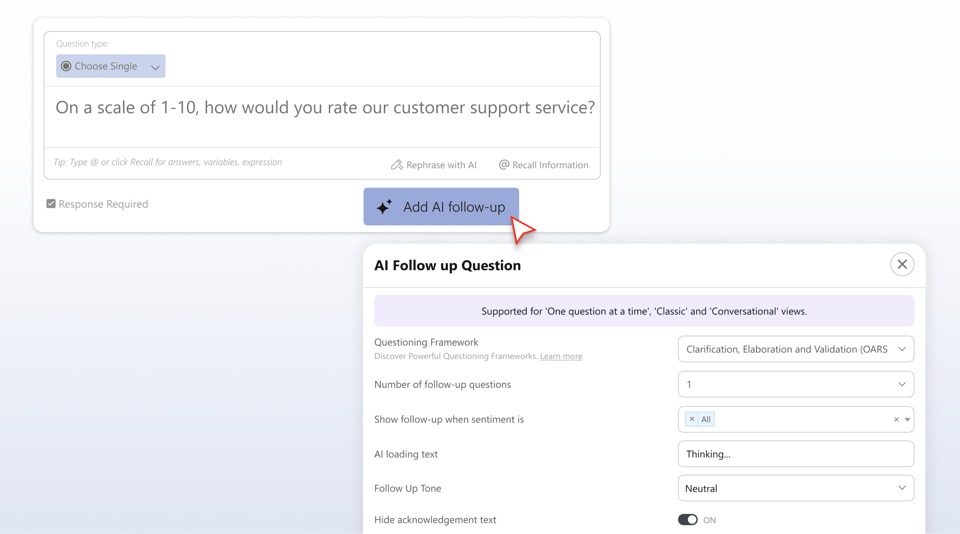

Run quarterly CSAT and NPS surveys across your customer base to identify churn risk before it becomes churn. AI adaptive follow-up questions surface the reasons behind low scores automatically, so your CSMs have context, not just a number, before they pick up the phone.

Survey your target market on buying priorities, vendor evaluation criteria, budget cycles, and content preferences. AI conversational surveys get higher response rates from busy B2B buyers than traditional research forms. Use the data to sharpen ICP definition, messaging, and campaign targeting.

Understand why you won and why you lost, at scale. Send structured win-loss surveys to closed opportunities automatically after a deal closes or goes dark. AI adaptive questioning probes the reasons behind each decision without a sales rep having to make an uncomfortable call.

Run B2B survey panels targeting specific job titles, industries, company sizes, or geographies. BlockSurvey's conversational format and bot prevention ensure panel responses are genuine, no junk data from inattentive or automated respondents inflating your sample.

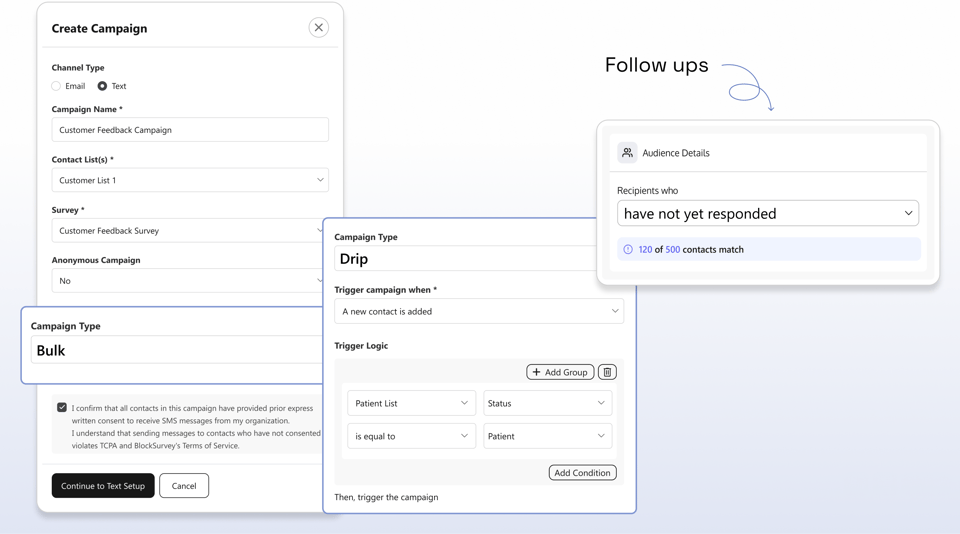
Survey new customers at key onboarding milestones: day 7, day 30, day 90. AI adaptive questioning identifies where customers are struggling before they go quiet. Drip campaigns automate the outreach sequence so no customer falls through the cracks during the critical adoption window.

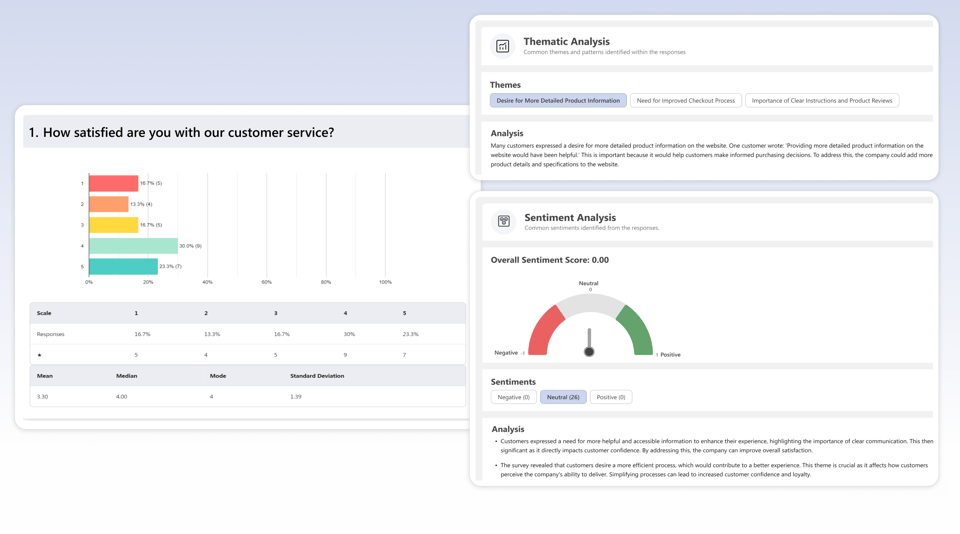
Collect structured feedback from event attendees, webinar participants, and conference leads immediately after the experience. Bulk SMS or email delivery gets the survey in front of attendees while the session is still fresh. AI thematic analysis groups open-ended feedback into themes without manual coding.
Start free. Upgrade when your research outgrows it. Every plan keeps end-to-end encryption and full data ownership.
$49$39/mo
Unlimited surveys with AI-powered creation, end-to-end encryption, and core privacy protections.
$99$79/mo
Everything in Standard, plus AI follow-up questions, custom branding, audience management, and custom survey links.
$149$119/mofor 3 users
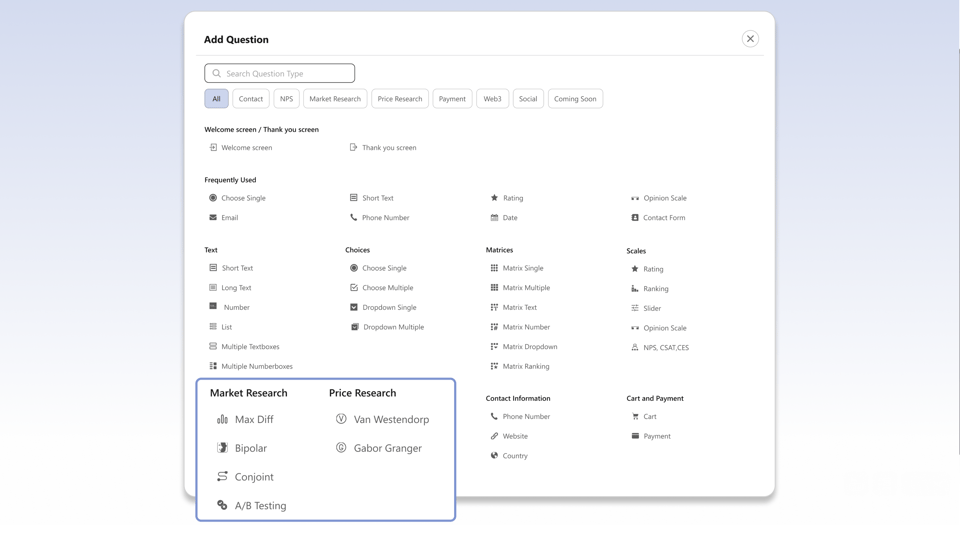
Everything in Premium, plus AI data analysis, market research question types, campaigns, and compliance essentials.
Let’s Talk
For organizations that need scale, security, SSO, white-label control, and personalized onboarding.
Join 500+ happy customers worldwide who are already using our amazing product.
This platform goes far beyond basic surveys. I’ve used it for lead generation, landing page enrichment, and even embedded videos. Everything’s easy to use, well documented, and super flexible—whether you're building forms, quizzes, or something more advanced.
 Martin G.Créateur de la Méthode Rashōmon
I think BlockSurvey is good for short and long surveys. What I find the best is the fact that there are so many templates I can use and customize.
 Ankit M.AI Analyst Team Lead
Uses end-to-end encryption technology that allows users to create survey forms where data is secure and private. UI looks very beautiful.
 Lou F.Creative Visionary
From end-to-end encryption-level security and AI-generated questions to powerful logic flows and white-label domains, BlockSurvey has it all. It’s secure, innovative, and packed with features like calculations, templates, and in-app analytics. I use it to create personalized assessments for leadership training—nothing else compares.
 Kim B.Founder/ President - International Leadership Trainer
BlockSurvey puts privacy and security above anything else. The use of end-to-end encryption is not a gimmick as in many products; it's a core feature enabling privacy and security. The survey building tools are impeccable. I've used numerous SaaS survey tools, and nothing comes close.
 Trevor L.Chief Information Security Officer (CISO)
Big fan of BlockSurvey and what Wilson and the team are doing. BlockSurvey was the end-to-end encrypted product I signed up for and I love the UI, privacy, responsiveness, and transparency behind the platform. Great job all 'round and awesome to see it keep evolving.
 James Longley@jameslongley
Few tools combine data confidentiality and form aesthetics like this one. The conversational design improved my response rate by 43%, and the webhook integrations made syncing to our CRM effortless. I also love how responsive and community-driven the support team is.
 Kris R.Group Automation Manager
Creating surveys with BlockSurvey has been a breeze. The drag-and-drop interface is intuitive, and we’re able to collect data anonymously and securely—without intermediaries. It’s interactive, friendly, and encourages high participation while protecting user privacy. The reports are solid, and we’ve used it confidently for internal and external feedback.
 Liz D.IT Support Specialist
For our NGO, data privacy is everything—and this platform nails it. It keeps personal info fully protected while letting us design beautiful, chat-like surveys that increase engagement. Team collaboration features sealed the deal.
 Luis Noel D.Director Comercial
Using BlockSurvey to protect their respondents' privacy, increase their survey completion rates, get better community feedback, and build better organizations.
Join 500+ companies across 50+ countries who use BlockSurvey to get real signal from the B2B audience that drives their business.